The parallel RGB interface is the workhorse of embedded displays between the SPI smalls and the MIPI high end: the host pushes pixels continuously, timing is explicit (DE or HV mode), and a generation of MCUs and embedded controllers ships with a built-in RGB display peripheral. Our RGB range concentrates on the 4.3–10.1 inch band where that host class lives.
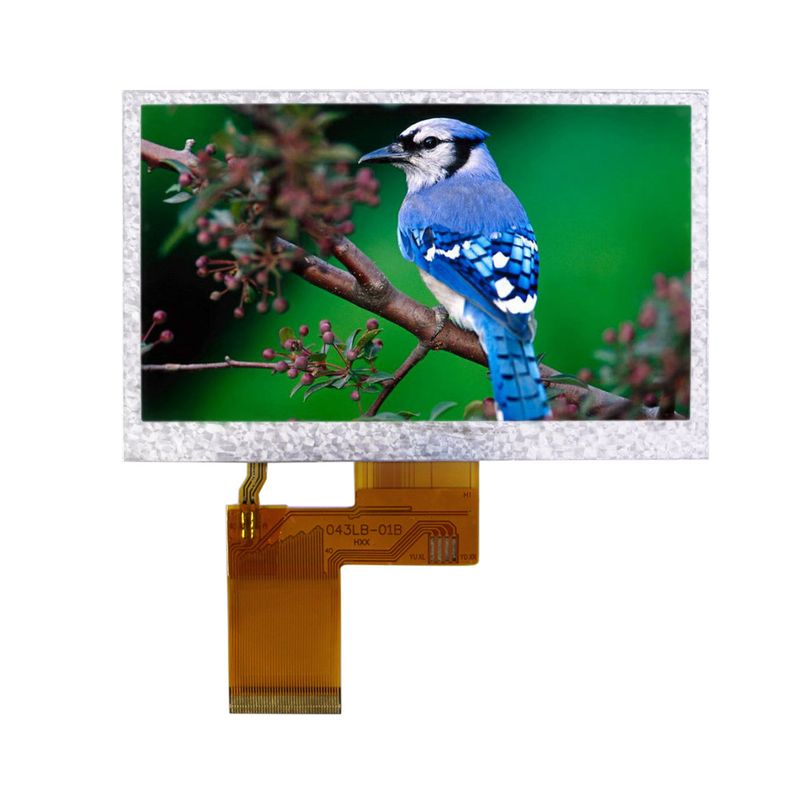
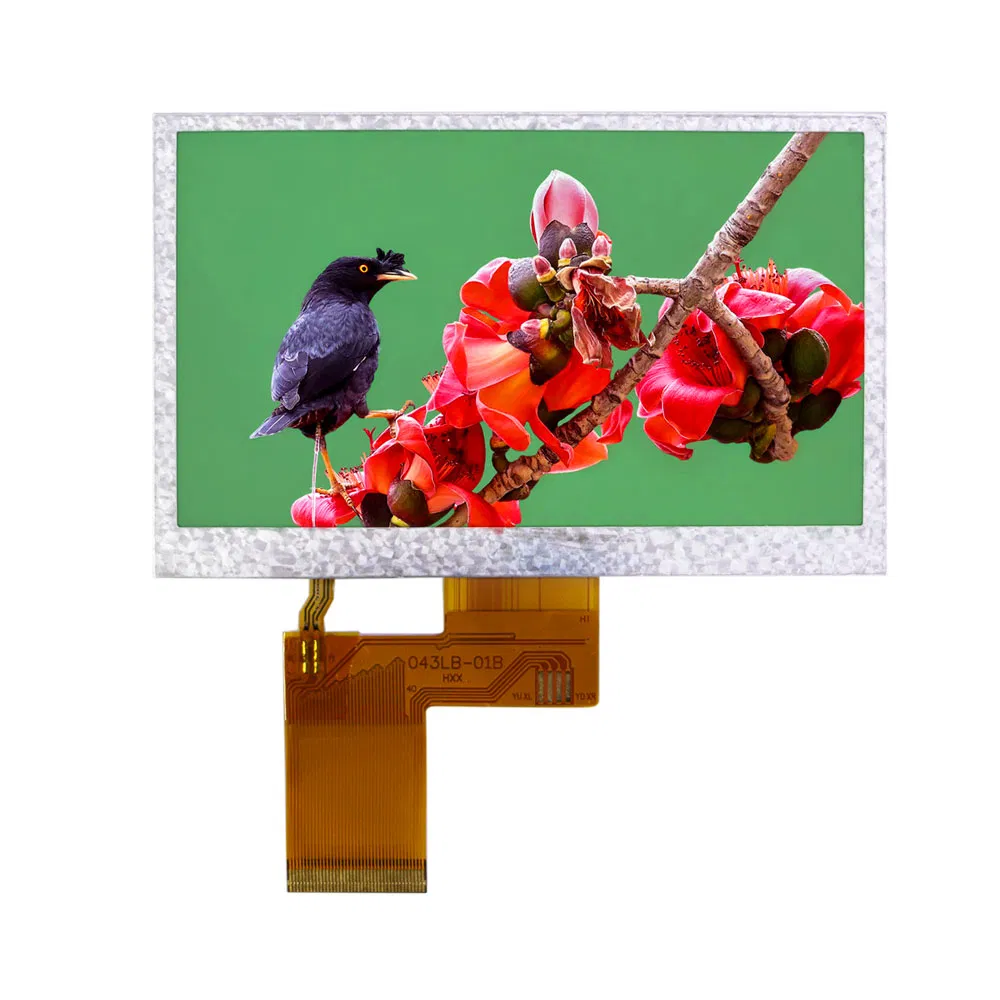
Platform-listed anchors: the 4.3 inch 800×480 high-brightness module (600 cd/m², RGB 40-pin) — the panel we recommend first for bright-environment equipment; the 5.0 inch 800×480 module (ST7262, RGB, 350 cd/m² backlight in its documented build); the 9.7 inch IPS 1024×768 (RGB, touch optional); and the 10.1 inch IPS 1024×600 (RGB 50-pin). A 4.3 inch 480×272 RGB model serves rear-view and cost-sensitive automotive-adjacent applications.
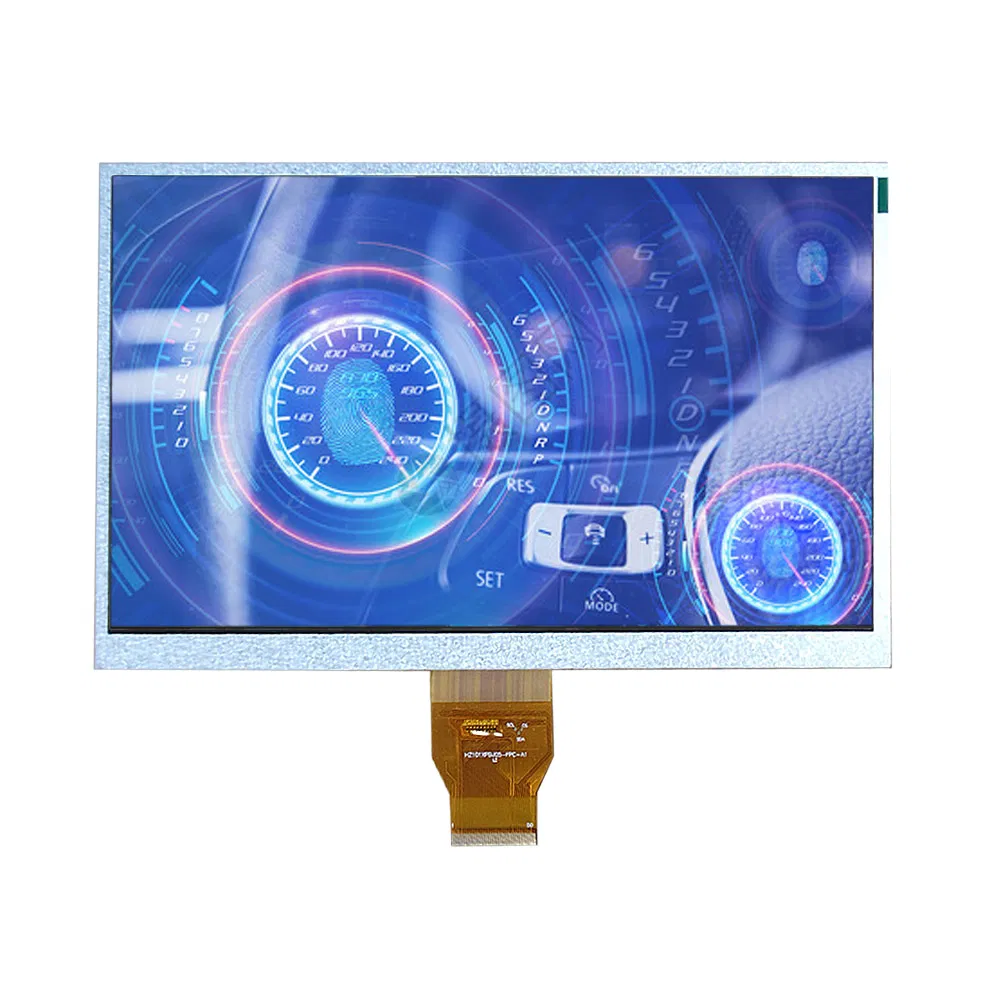
RGB vs the alternatives, briefly
RGB needs more pins and careful clock routing, and it renders the framebuffer continuously — your host must sustain the pixel clock. In exchange you get deterministic timing, no command-set dependency, and easy migration between panel sizes on the same host design. The full comparison is in our SPI vs RGB vs MIPI guide.
MCU-interface (8080/6800-style) variants exist across the catalogue for hosts without an RGB peripheral — the 1.44 inch MCU 8-bit and 2.31/3.2 inch MCU 16-bit models are catalogue examples — and are scoped under the same model pages where listed. All RGB modules are 100% inspected and support the usual customisation options: brightness, FPC, touch.
Send an Inquiry
Tell us the size, resolution, interface and quantity — we reply with the matching platform model or the custom route, drawings first.