Small displays are where most of our volume ships. Below 3 inches, the design questions are different from large panels: pin count matters more than bandwidth, every millimetre of outline is negotiated with the enclosure, and the host is usually a modest MCU rather than an applications processor. Our small LCD range is built around that reality — SPI and QSPI interfaces that an ESP32-class or STM32-class controller can drive, and outlines drawn tight to the active area.
The range at a glance
| Band | Representative sizes | Typical resolutions | Common drivers | Used for |
|---|---|---|---|---|
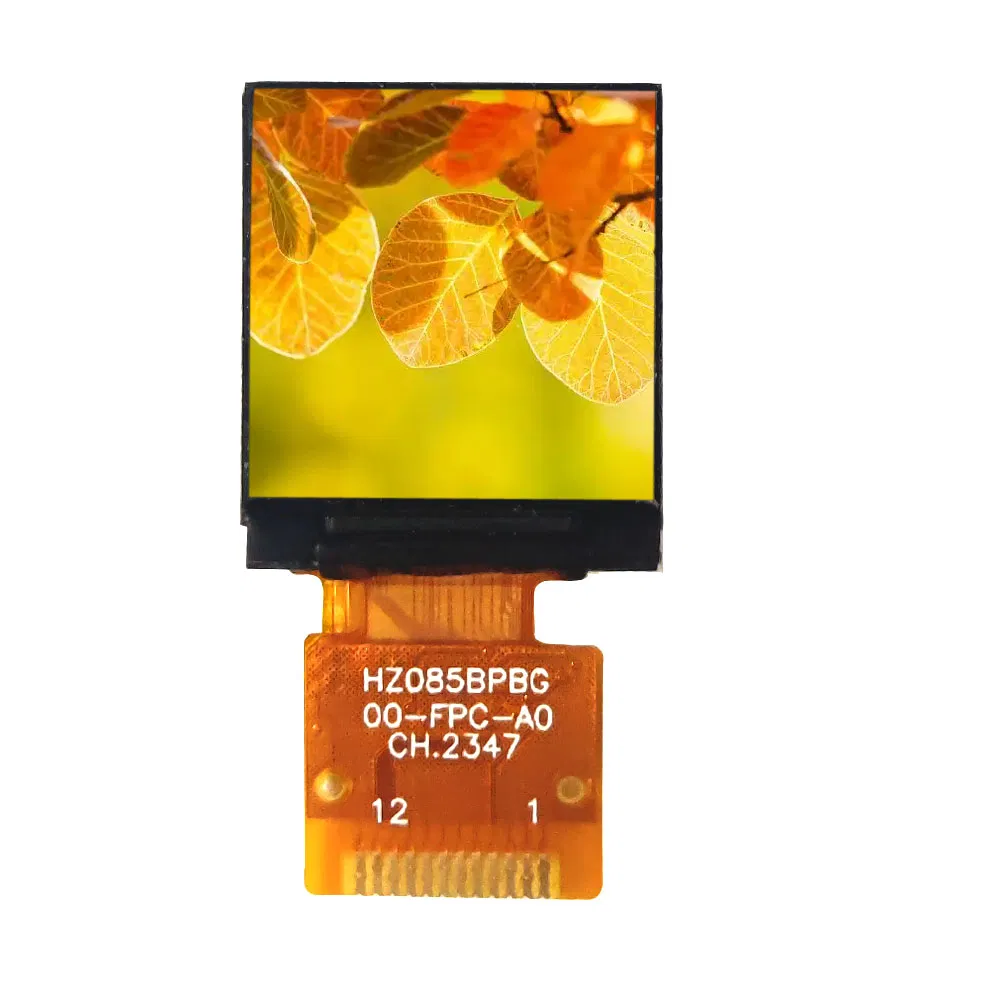
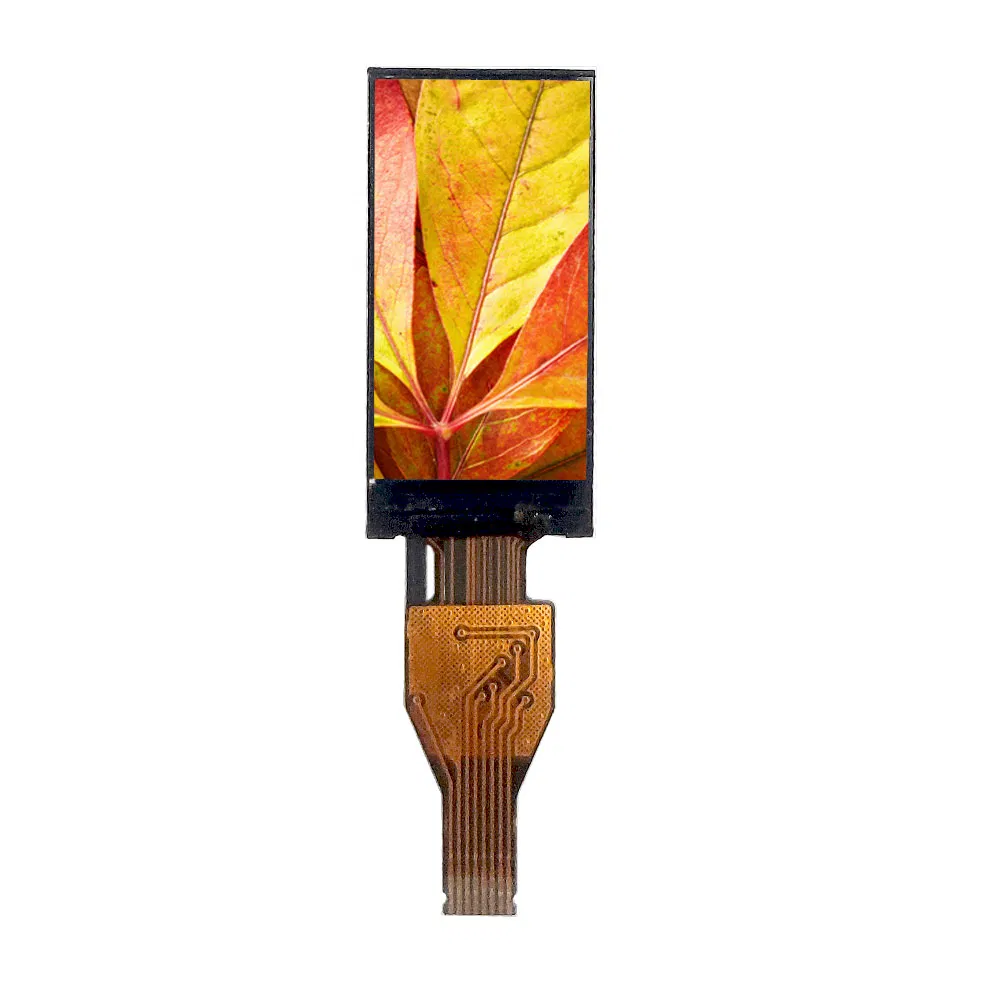
| Micro | 0.71" / 0.85" / 0.96" / 0.99" | 160×160, 128×128, 80×160, 128×115 | GC9D01, GC9107, NV3022B | Wearables, smart accessories, status displays |
| Compact | 1.14"–1.54" | 135×240, 240×240 | ST7789V2, GC9A01 | IoT controllers, thermostats, handhelds |
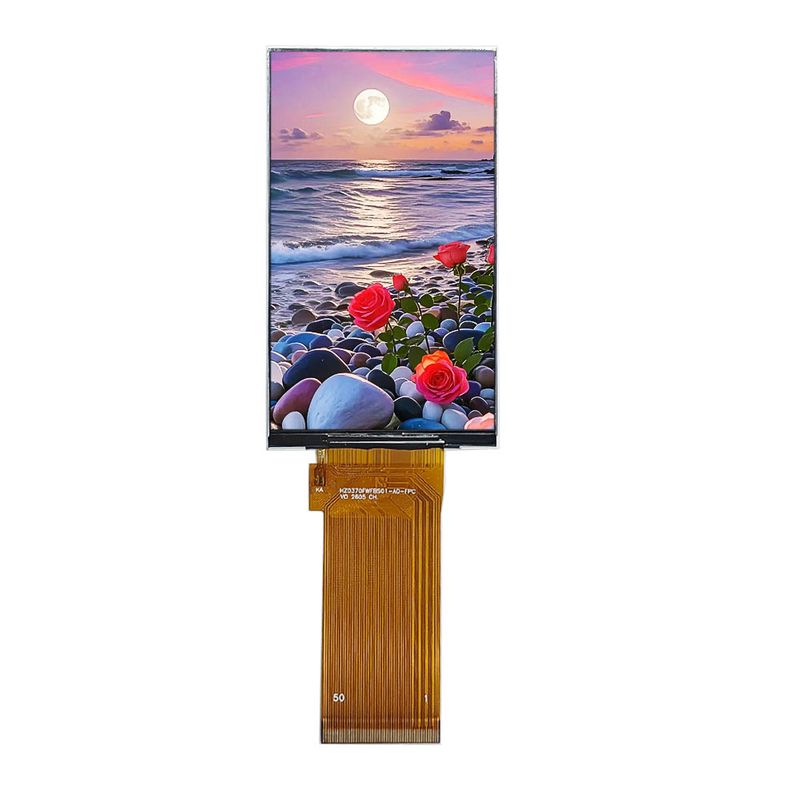
| Mid-small | 1.69"–2.0" | 240×280, 320×386, 240×320 | ST7789V2, GC9B71 | Instruments, appliance controls |
| Upper-small | 2.1"–2.8" | 480×480 (round), 240×320 | ST7701, ST7789 | Knob displays, meters, medical-field instruments |
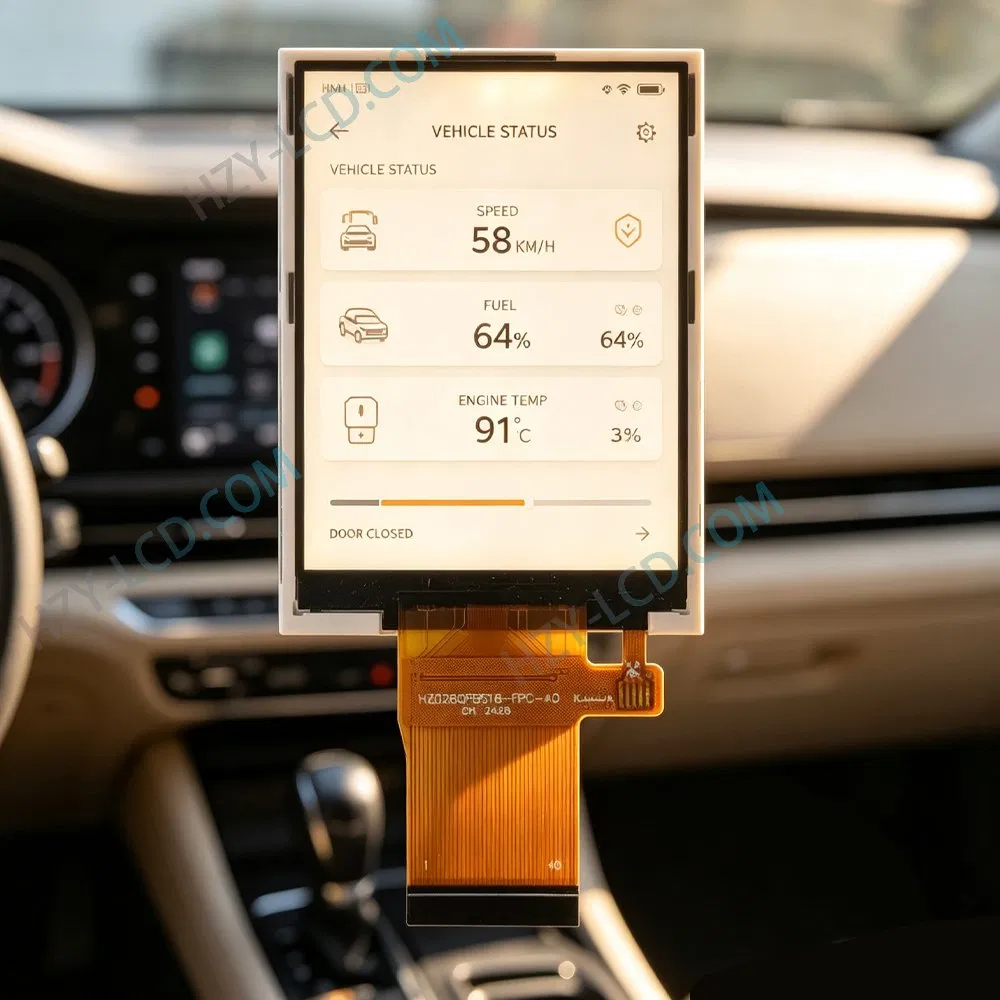
Why engineers standardise on this band
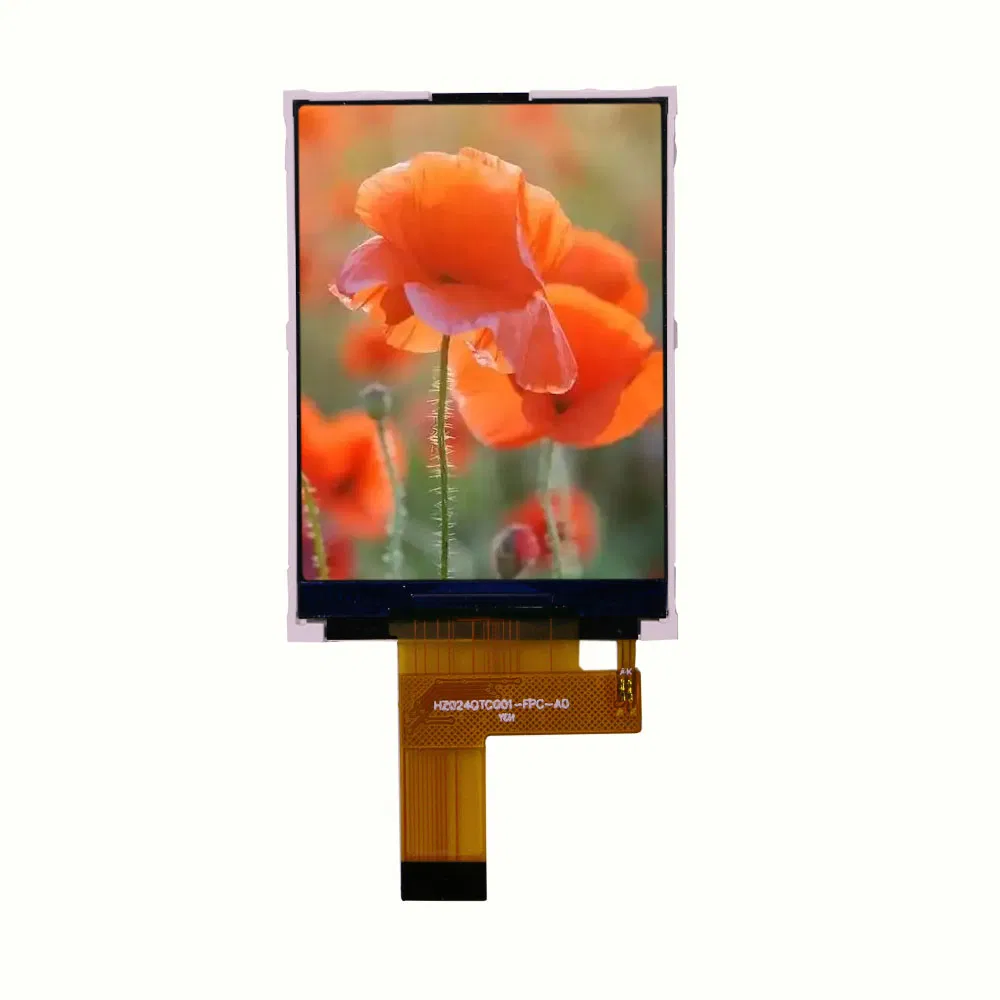
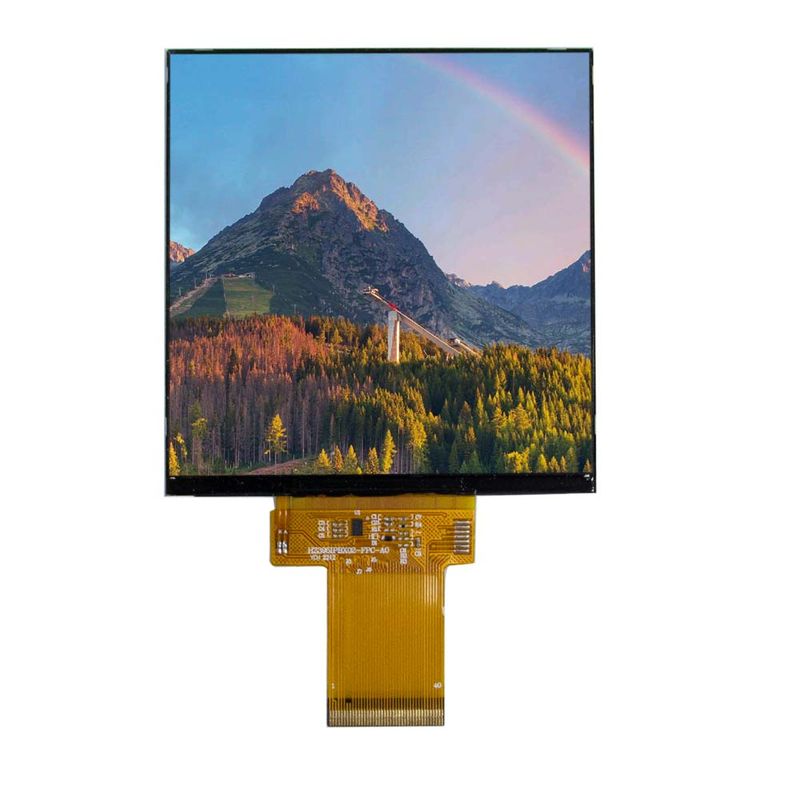
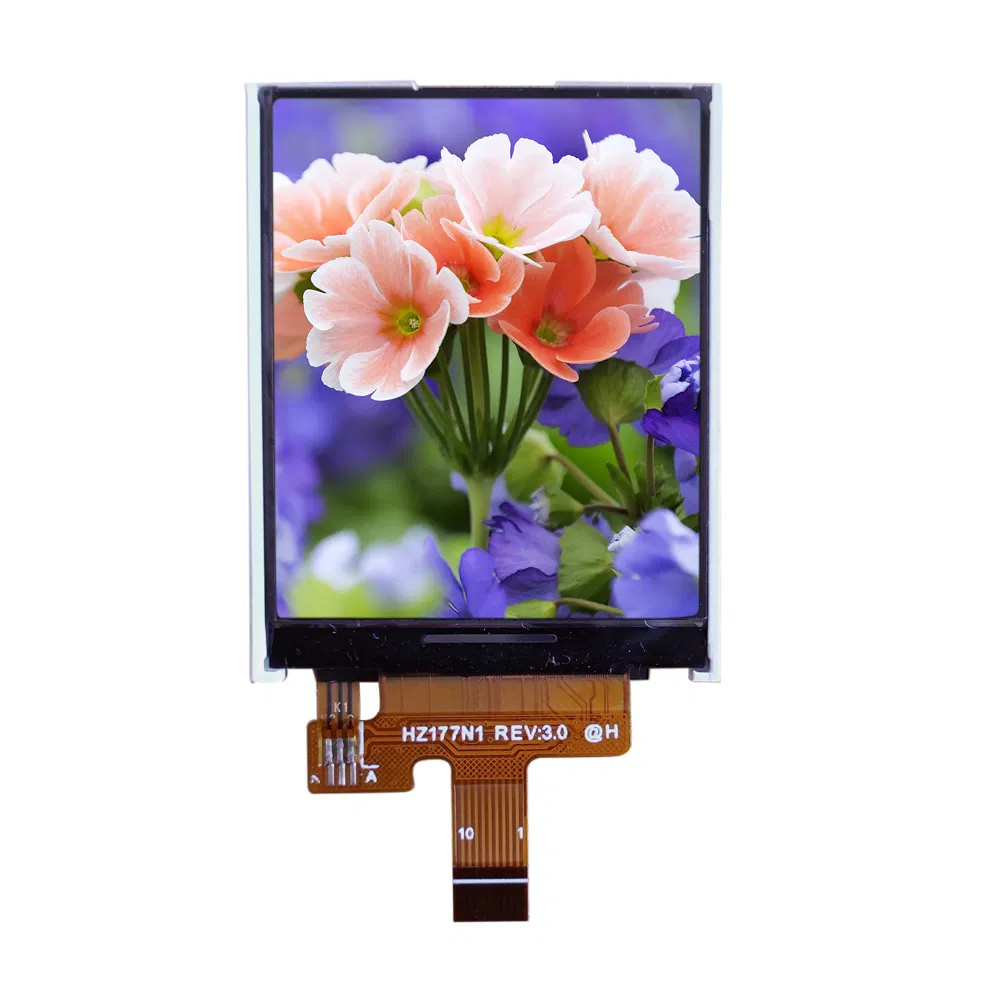
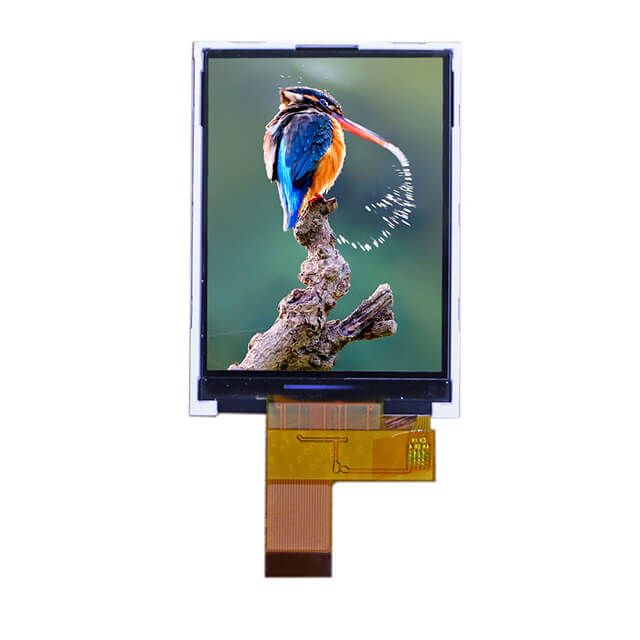
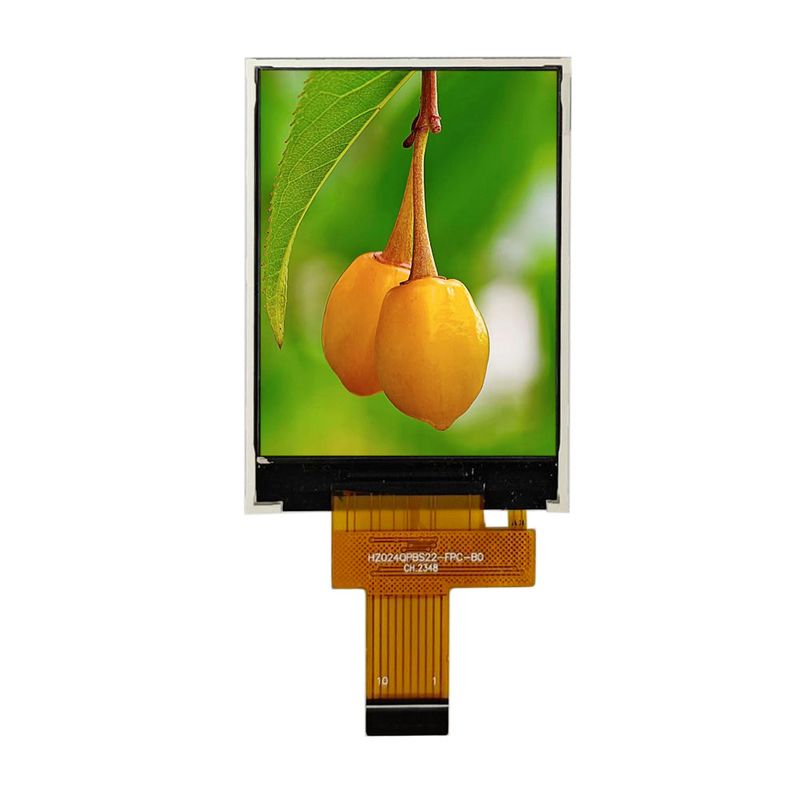
The 240×240 and 240×320 formats dominate because the driver ecosystem — ST7789 above all — is mature, libraries exist for every common MCU, and the glass is a multi-source commodity. Our 1.3 inch 240×240 ST7789V2 module and 2.4 inch 240×320 SPI screen are the two highest-volume examples in the catalogue (the 2.4 inch is also listed for medical-field instruments, and a transflective variant exists for outdoor use). Where the design needs something less standard — a 320×386 QSPI panel at 600 cd/m², a 1.46 inch 360×360 QSPI round-format glass — the same lines build those too.
Below the TFT band, remember the monochrome option: a 128×64 COG module at 28.5×20.0 mm is thinner and cheaper than any small TFT, and for digits-plus-graphics instruments it is often the better engineering answer.
Small models are also the easiest customisation starting point: FPC length and pinout changes, backlight brightness steps and cover-lens printing are routine, with drawings in about 3 days. Full size coverage is on the display sizes index.
Send an Inquiry
Tell us the size, resolution, interface and quantity — we reply with the matching platform model or the custom route, drawings first.