SPI is the interface that made small colour displays practical on ordinary microcontrollers: four wires, no parallel bus eating twenty GPIOs, and a driver-IC ecosystem with a library for every platform. Our TFT range leans on SPI exactly where it belongs — the 0.85 to 2.8 inch band — with the ST7789 family as the volume centre and GC-series and NV-series drivers in the micro sizes.
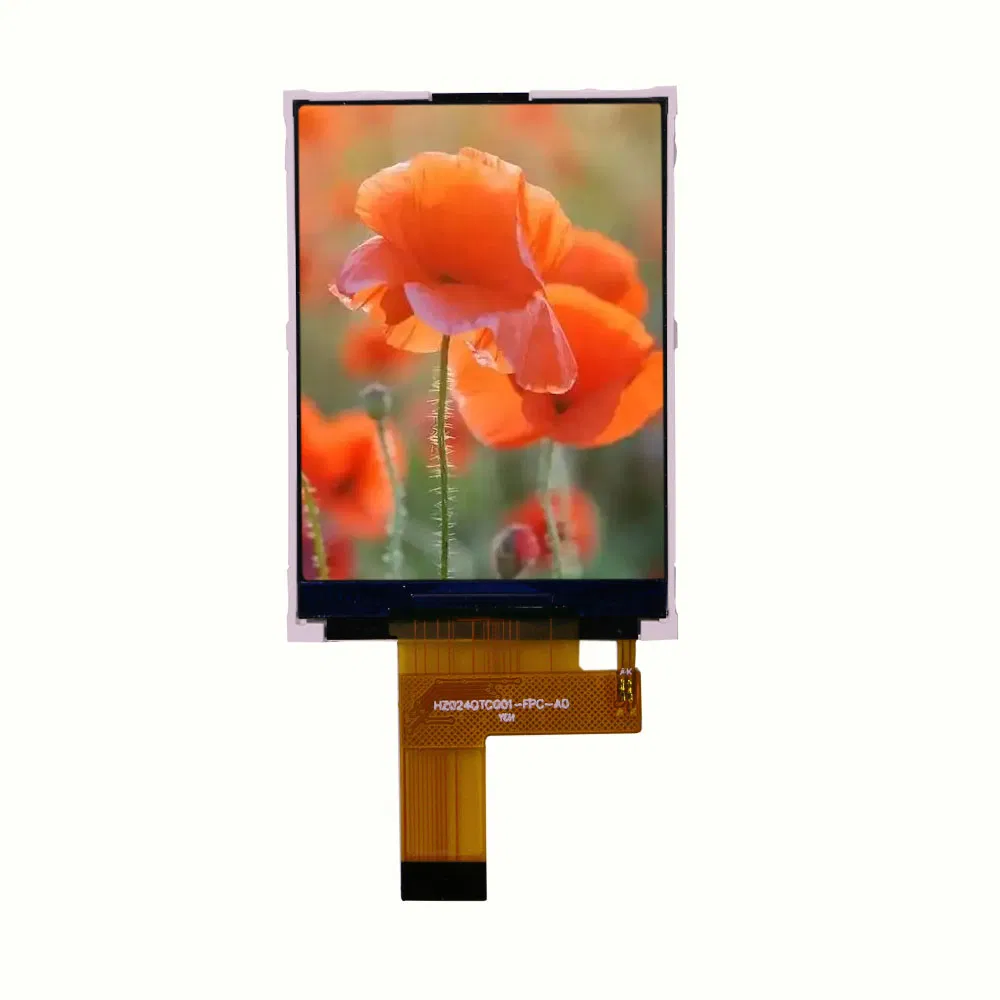
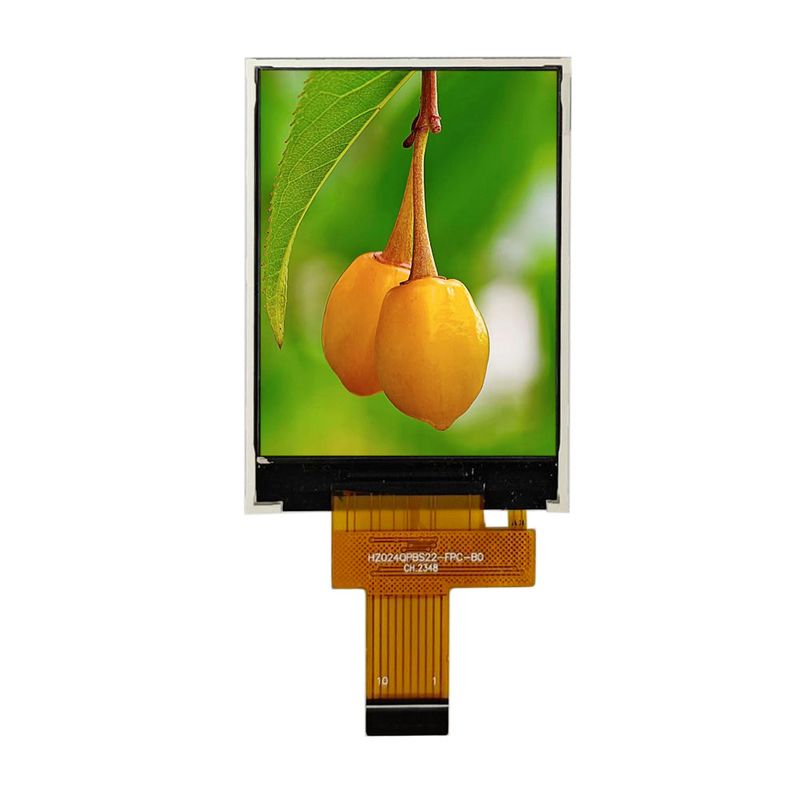
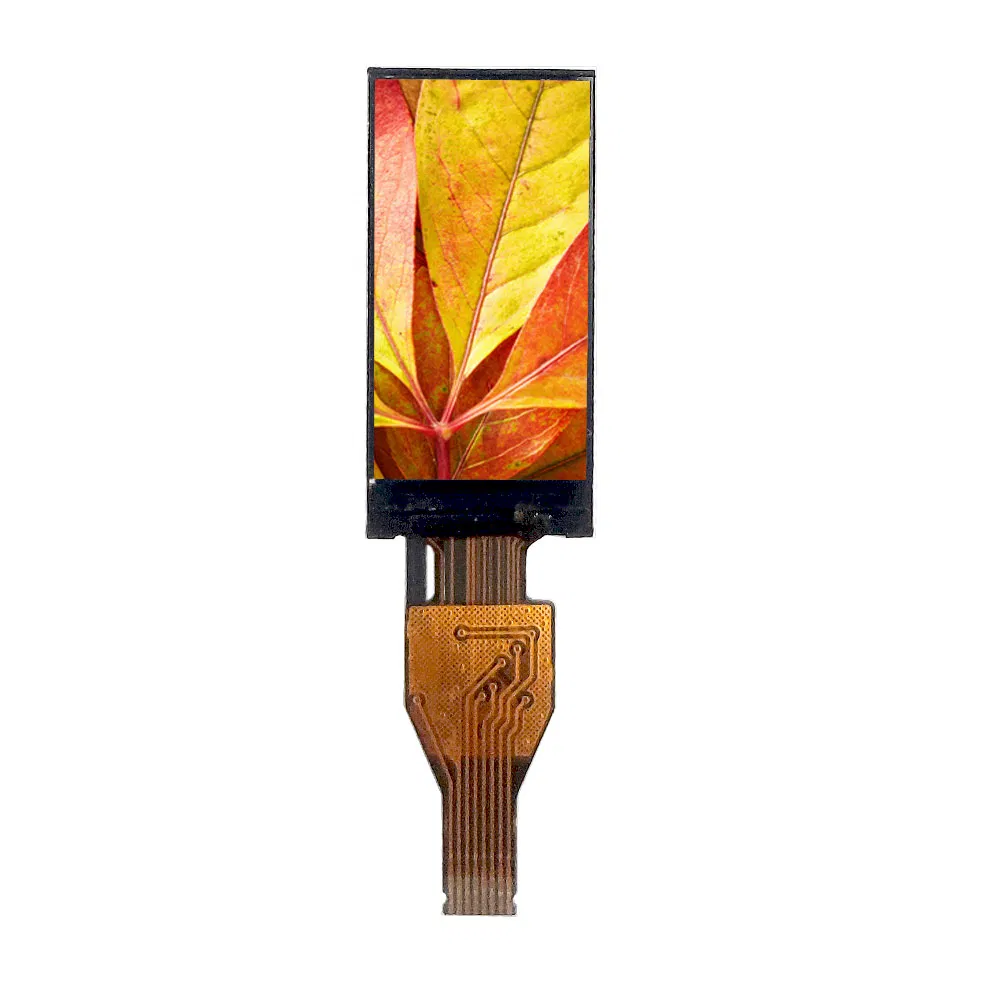
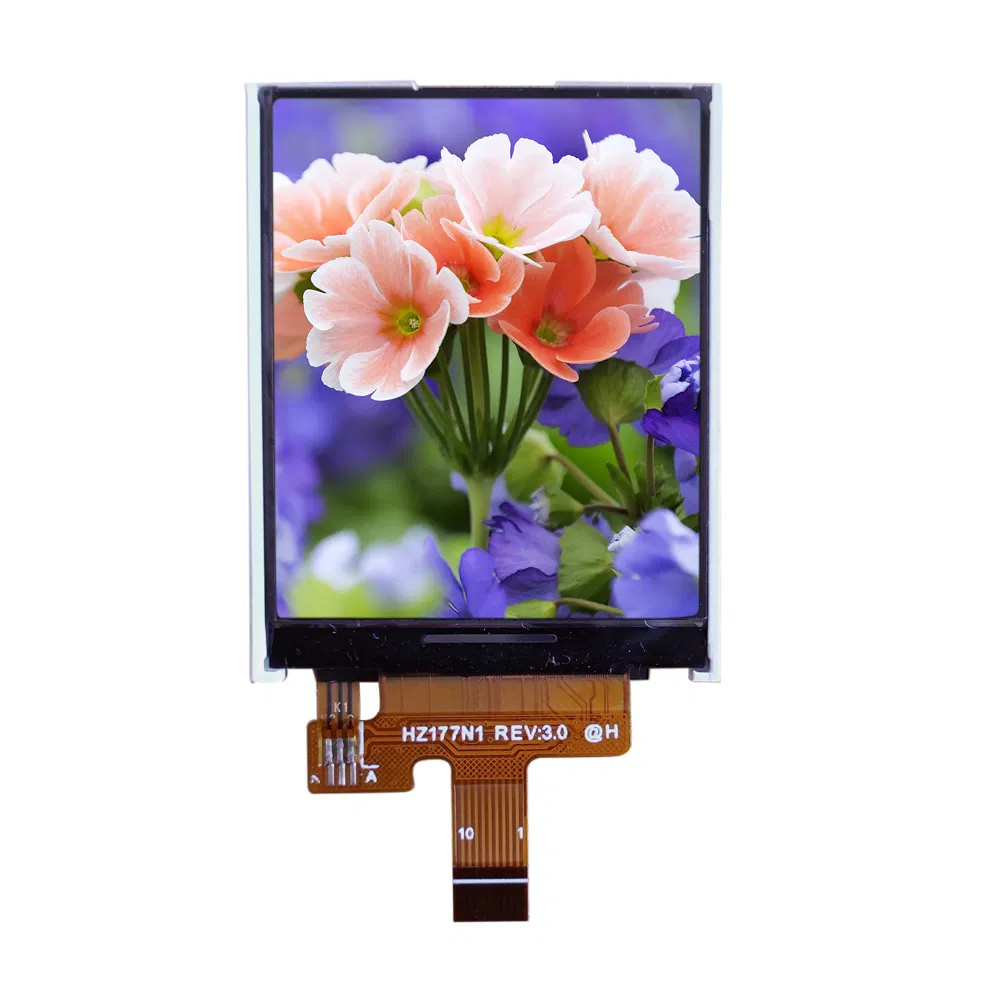
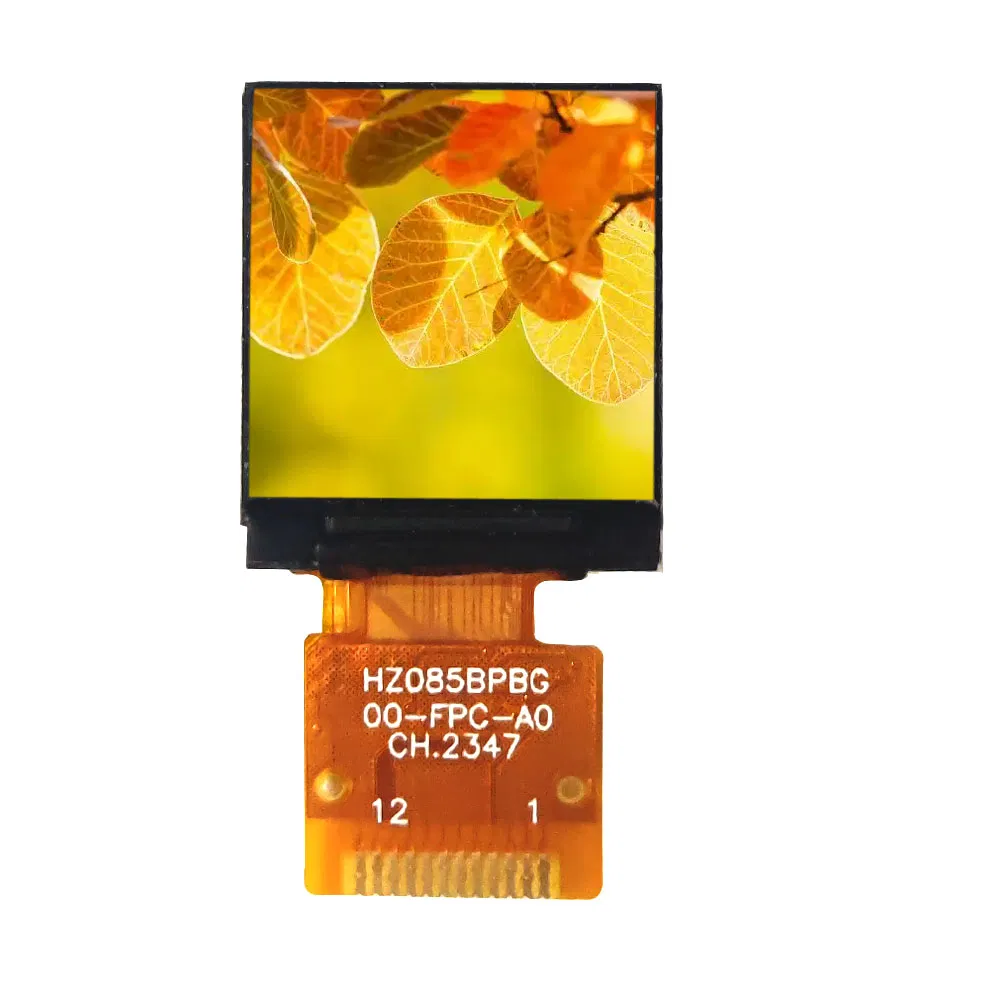
Representative models: the 0.85 inch 128×128 and 0.96 inch 80×160 micro panels; the 1.3 inch 240×240 ST7789V2 (a platform best-seller); the 1.69 inch 240×280 and 2.4 inch 240×320 screens; and the 1.77 inch 128×160 ST7735S module. Where SPI's bandwidth runs out — 480×480 round panels, faster full-screen refresh — the same platforms step up to SPI-RGB hybrids or QSPI, as on the 1.85 inch 320×386 QSPI model.
The honest limits of SPI
SPI bandwidth caps practical resolution: 240×320 at modest frame rates is comfortable; 480×480 full-screen animation is not an SPI job — that is what the MIPI and RGB pages are for. The SPI vs RGB vs MIPI guide quantifies the trade-off. Within its band, though, SPI wins on everything else: fewest pins, simplest routing, cheapest hosts, and the fastest path from dev-board demo to production module — which is why our small-display datasheets lead with it.
QSPI (quad SPI) variants quadruple the data lines' throughput on the same connector philosophy and appear on our higher-refresh small models (1.46–1.85 inch QSPI builds in the catalogue). If your firmware already speaks ST7789 over SPI, moving to a QSPI sibling model is a modest step, not a redesign.
All SPI models are listed from 2-piece minimums and can be customised — FPC, backlight brightness, touch on selected sizes — under the custom LCD process.
Send an Inquiry
Tell us the size, resolution, interface and quantity — we reply with the matching platform model or the custom route, drawings first.