This page is about selecting displays for medical devices and medical-field instruments: the engineering criteria that matter, and the parts of our range that device teams evaluate. It is not a page of regulatory claims — approvals belong to the finished device and its manufacturer's regulatory process, and we make none here. What a component supplier owes a medical-device customer is different: stable models, consistent inspection, documentation, and honesty about what is and is not certified at component level.
What device teams usually require of the display
- Readability under clinical lighting — consistent brightness and contrast, no surprises between batches; transflective options where devices move between indoors and daylight.
- Model stability — a display specified into a device that will be manufactured for years must stay orderable and unchanged. Our standard models (the 2.4 inch platform TFT among them, listed for medical-field instruments) are catalogue parts; the production horizon and change-notification terms for your chosen model are confirmed in writing at quotation — ask for them, do not infer them from a listing.
- Inspection evidence — every module is 100% visually and functionally inspected before shipment, and drawings plus test reports are available for your device history file.
- Interface conservatism — SPI/RGB/MIPI interfaces with mainstream driver ICs your embedded team can support across the product's life.
Parts of the range device teams evaluate
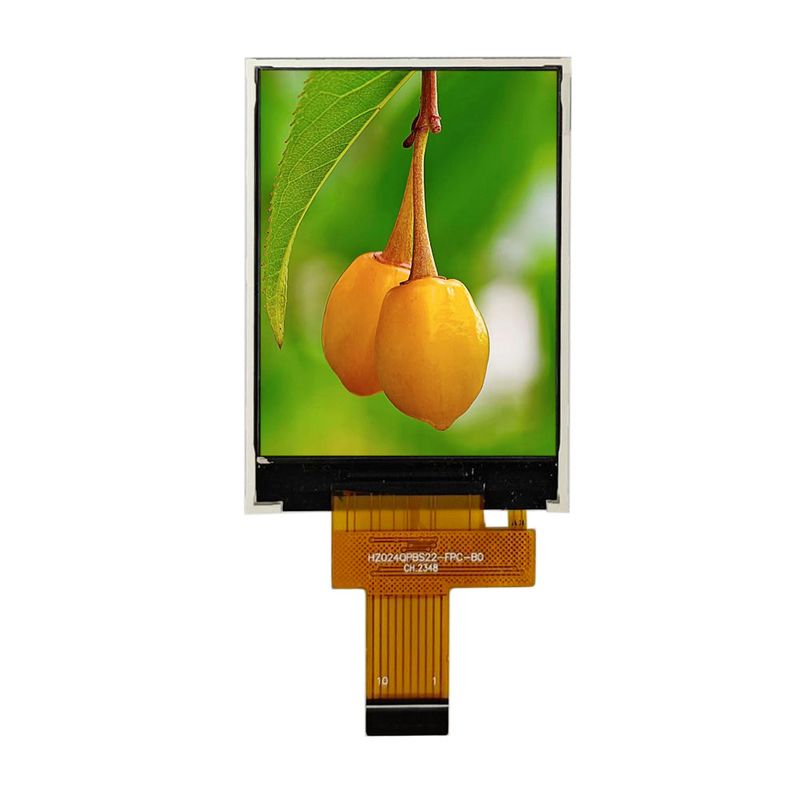
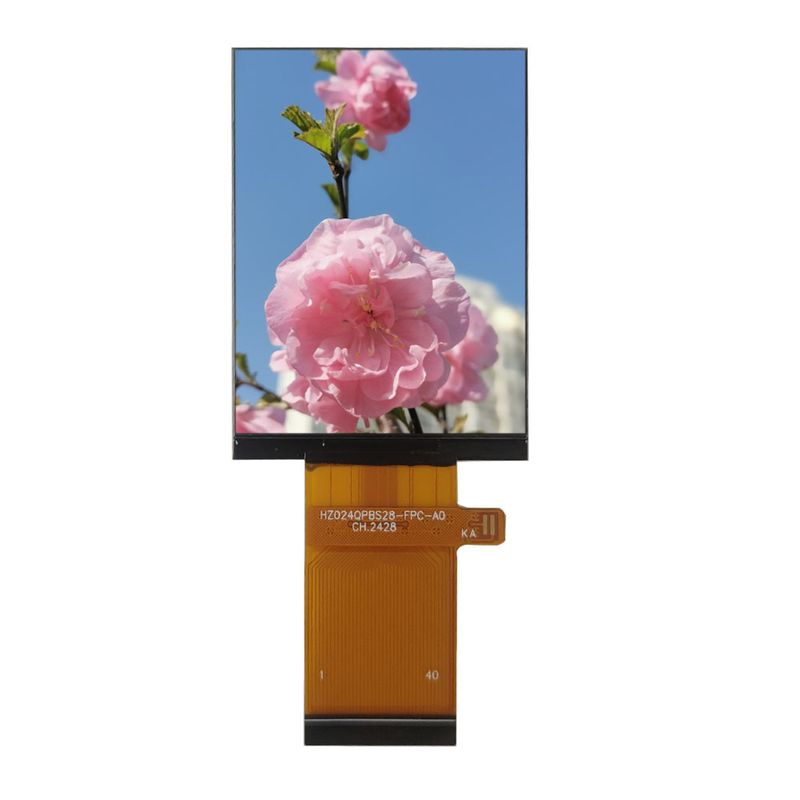
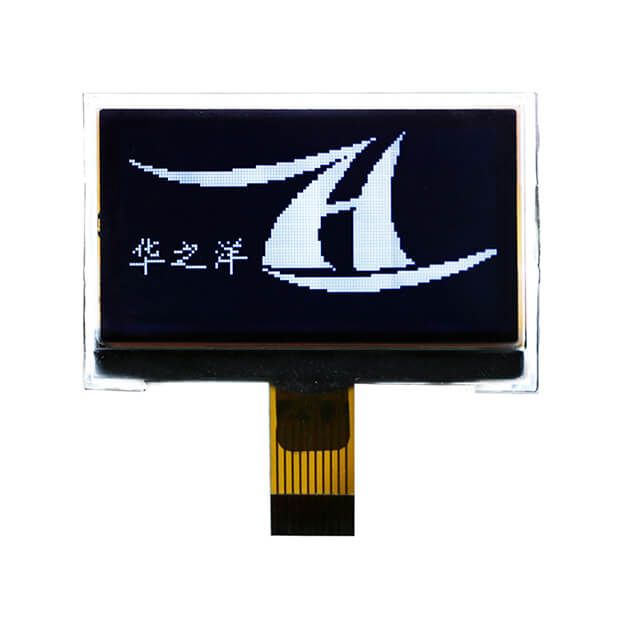
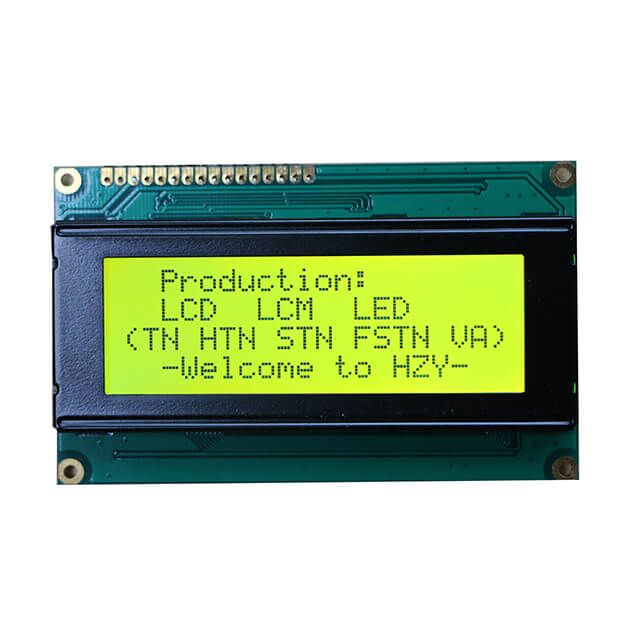
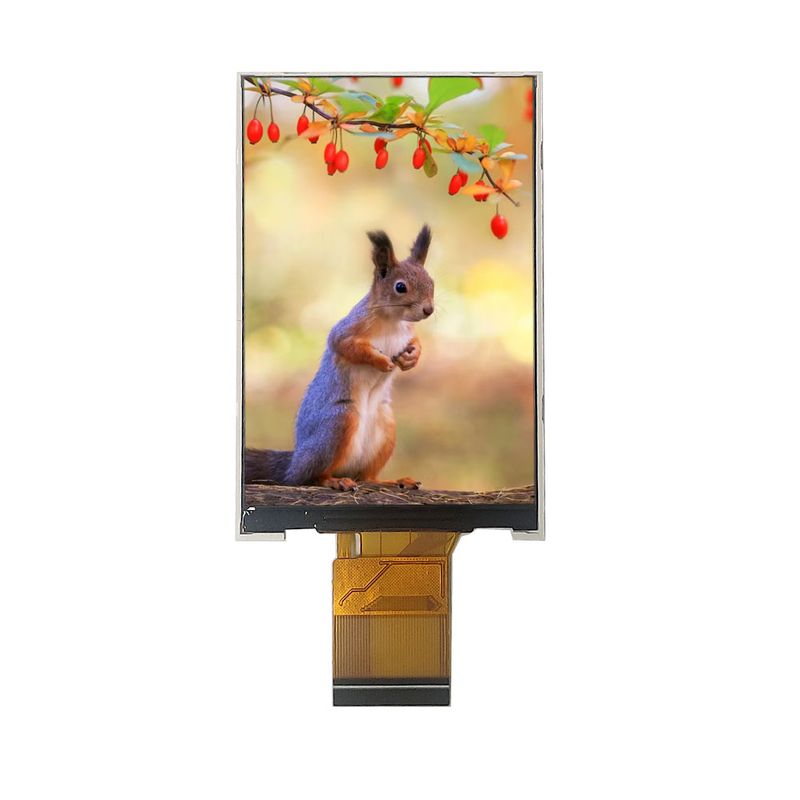
Monochrome COG and character modules appear in monitoring and measurement instruments where a simple, stable readout is the requirement; TFT modules serve the richer interfaces. Our medical display selection checklist works through brightness consistency, lifecycle supply and documentation questions in the order a design team meets them.
Component-level credentials, stated precisely
The factory's quality systems are certified to ISO 9001, IATF 16949 and ISO 14001, and its supplier profile is audited by TÜV Rheinland (report MIC-ASR252500) — factory-level facts we can document. Certificates are available upon request. We do not claim device-level medical approvals for components, and we advise buyers to treat any component supplier who does with suspicion.
Send an Inquiry
Tell us the size, resolution, interface and quantity — we reply with the matching platform model or the custom route, drawings first.